
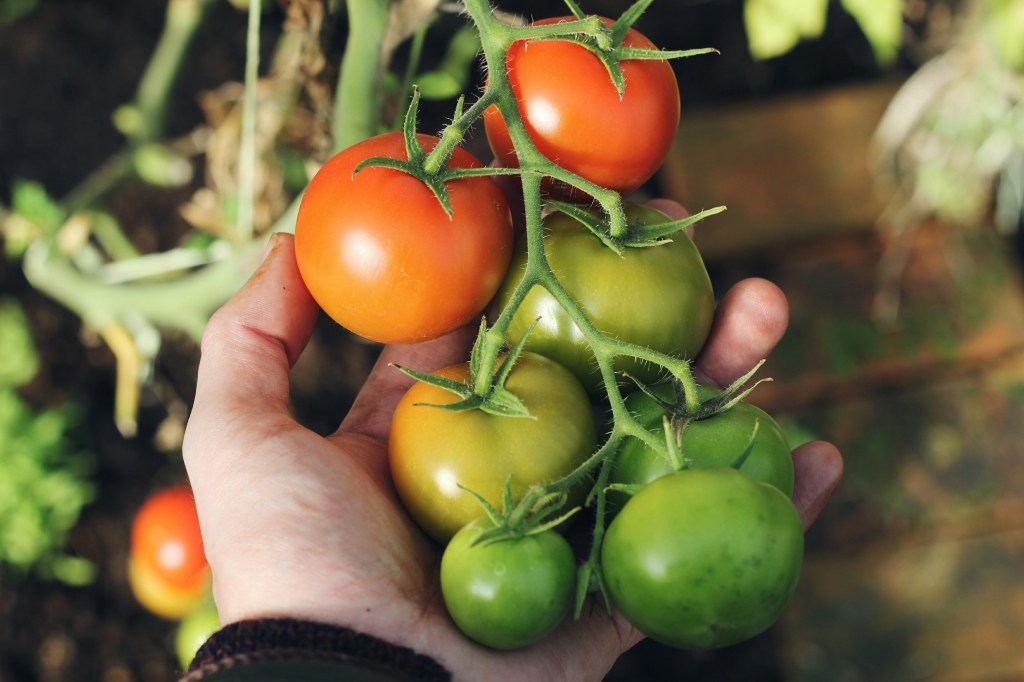
If you’ve ever gone out to your garden in the morning, coffee in hand, only to discover that something has munched your tomato plants overnight… you’re not alone.
Down here in Texas and Louisiana, our long growing seasons are a dream for gardeners—and unfortunately, for garden pests too.
But don’t worry—you don’t have to break out the chemicals. There are plenty of effective (and safe!) ways to protect your plants the organic way.
Here’s how to keep those bugs in check and your garden thriving!
Common Garden Pests in TX & LA
Let’s start with the usual suspects:
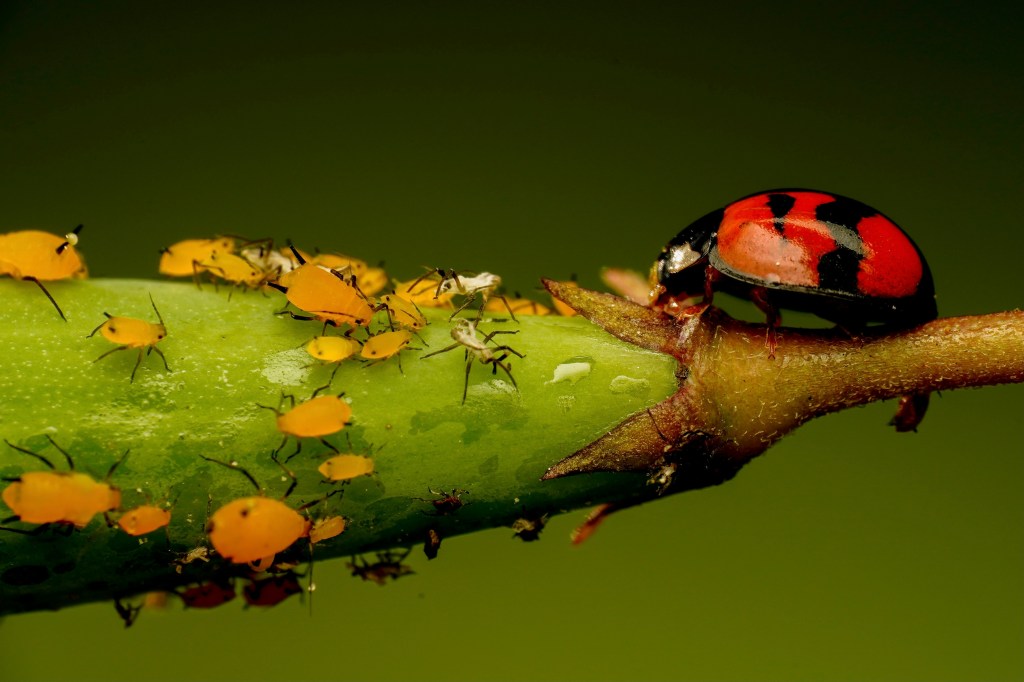
Aphids
These tiny green (or black) pests suck the life out of tender leaves and stems.
Tomato Hornworms
Big, green, and hungry.
If you’re growing tomatoes, they’re coming!
Squash Vine Borers
A major enemy of summer squash and zucchini.
Flea Beetles
Small jumpers that chew up leafy greens.
Whiteflies
Common in warm, humid climates like ours, and hard to spot until there’s an army of them.
A handheld bug vacuum or sticky yellow traps can be game-changers early in the season.
Beneficial Bugs vs. Harmful Pests
Not all bugs are bad!
Some are your best defense against pests.
Here are a few garden allies to welcome:
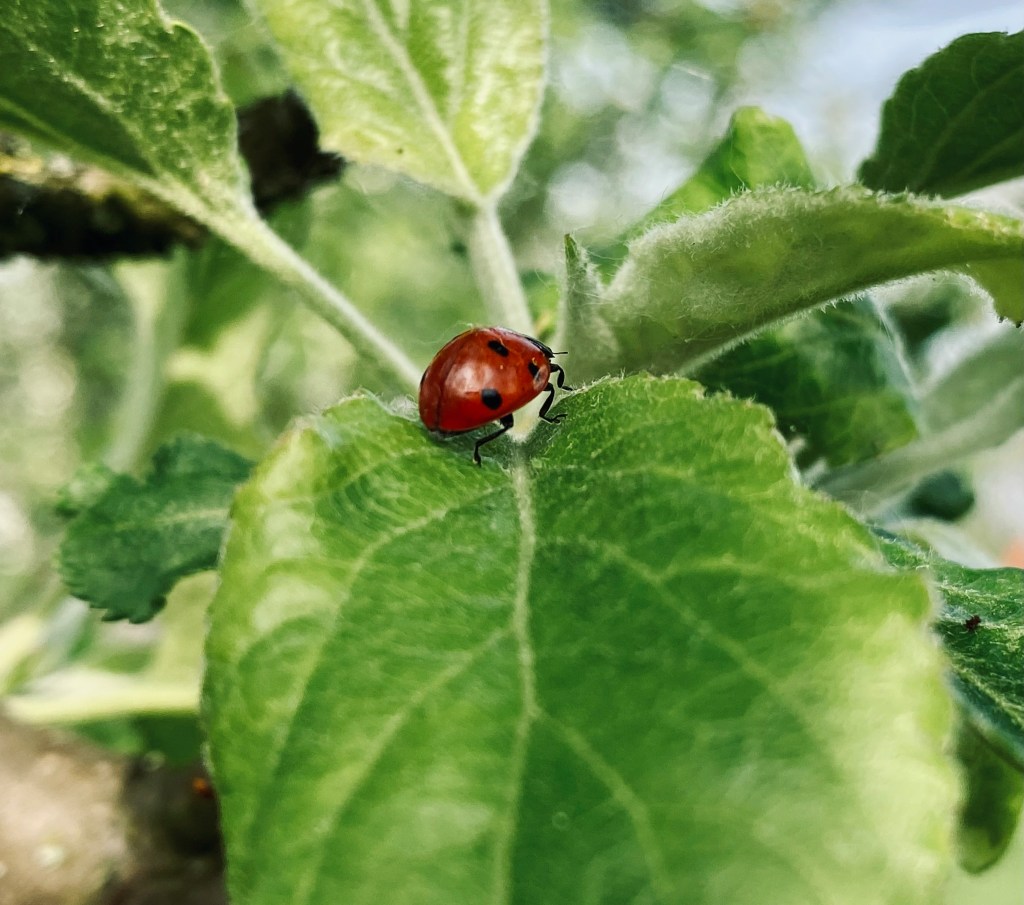
Ladybugs
Devour aphids like it’s their job (because it is).
Lacewings
Their larvae eat all kinds of soft-bodied pests.
Parasitic Wasps
Tiny warriors against hornworms and caterpillars.
Spiders
Keep the web-builders around—they help with flying insects.
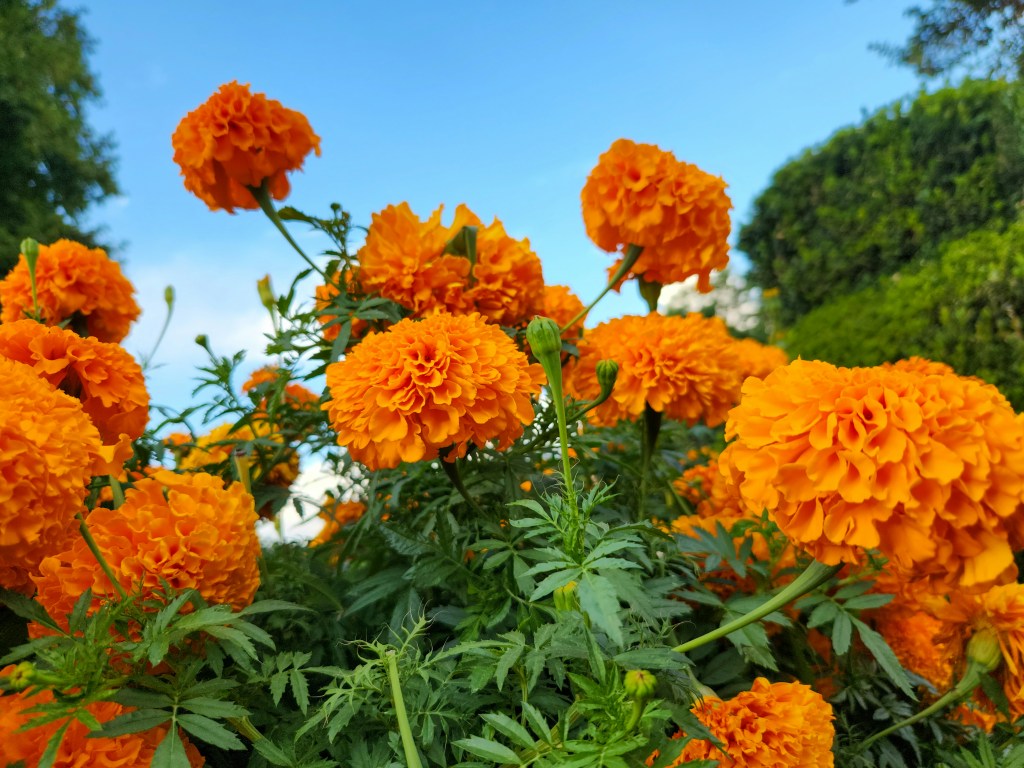
Tip: Plant marigolds, dill, or fennel to attract the good guys naturally!
Organic Sprays and Remedies
Here are a few go-to options that won’t harm your plants, pets, or pollinators:
- Neem Oil –
- Great for aphids, mites, and fungal diseases.
- Insecticidal Soap –
- Gentle but effective on soft-bodied pests.
- Diatomaceous Earth –
- Works against crawling insects like slugs and beetles.
- BT (Bacillus thuringiensis) –
- A bacteria-based solution for caterpillars.
Tip: Always spray in the early morning or evening to avoid burning leaves and to protect pollinators.
DIY Pest Traps & Companion Planting
Try these simple tricks to reduce pests naturally:
- Beer Traps for Slugs –
- Fill a shallow container with beer and bury it near the soil line.
- Foil Collars –
- Wrap around the base of squash to deter vine borers.
- Companion Plants –
- Basil repels hornworms
- Nasturtiums attract aphids away from crops.
- Marigolds deter nematodes.
Bonus: Make a garlic-pepper spray at home for a cheap, non-toxic bug repellant.
Product Roundup: Trusted Organic Pest Solutions
These products are well-loved by Southern gardeners and easy to grab online:
| Product | Use | Link |
|---|---|---|
| Neem Bliss 100% Pure Neem Oil | Aphids, mites | Link |
| Safer Brand Insecticidal Soap | Aphids, mealybugs | Link |
| Safer Caterpillar Killer | Hornworms, cabbage loopers | Link |
| Diatomaceous Earth | Ants, slugs, beetles | Link |
| Yellow Sticky Traps | Whiteflies, fungus gnats | Link |
Free Download:
Southern Garden Pest ID + Control Cheat Sheet!
Want a printable quick-reference guide to help you identify and treat the most common Southern Garden pests organically?
It includes:
- Photos of the top 12 pests and their damage
- Natural treatment options
- A companion planting chart
- Weekly maintenance checklist
Just enter your email below, and we’ll send it straight to your inbox!


Have deer been nibbling in your yard?
Check out our post on Effective Strategies to Deter Deer in Your Garden.
Happy Gardening!



 Southern Roots