A Beginner’s Guide to Growing Tomatoes
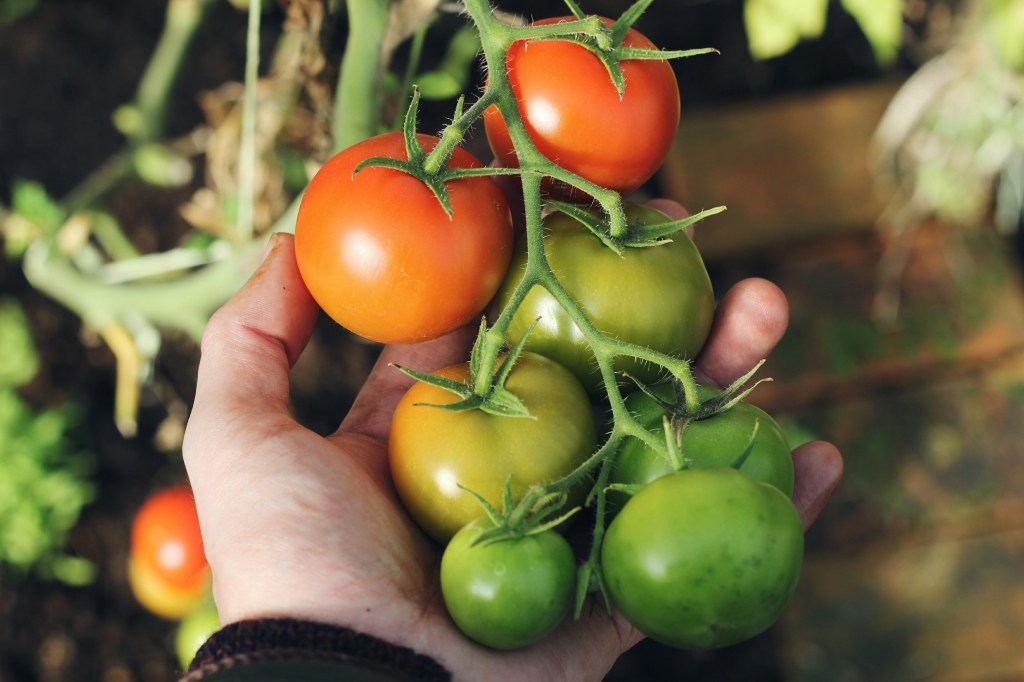
Tomatoes are one of the most rewarding crops to grow, whether in a backyard garden, container, or raised bed.
Follow this beginner-friendly guide to ensure a bountiful harvest!
Choosing the Right Variety
When it comes to tomatoes there are determinate and indeterminate varieties. Let me explain…..
- Determinate vs. Indeterminate:
- Determinate tomatoes grow to a set height and produce fruit all at once, while indeterminate varieties grow continuously and produce fruit throughout the season.
- Choosing the Right Tomato for You:
- If you have limited space or want a quicker harvest, determinate varieties (like Roma or Celebrity) are ideal.
- If you have a longer growing season and want a steady supply, indeterminate varieties (like Beefsteak or Cherry tomatoes) are best.
- For container gardening, choose compact or dwarf varieties such as Patio Princess or Tiny Tim.
- If you prefer sweeter tomatoes, opt for cherry or grape tomatoes.
- For sauces and pastes, go for plum or paste varieties like San Marzano.
Now that you’ve determined the variety you want to grow, let’s get to planting.
Planting Tomatoes
When to Plant:
Tomatoes thrive in warm weather. So how do you determine if you plant your seeds indoors or outdoors?
- Starting Seeds Indoors vs. Direct Sowing:
- Starting Indoors:
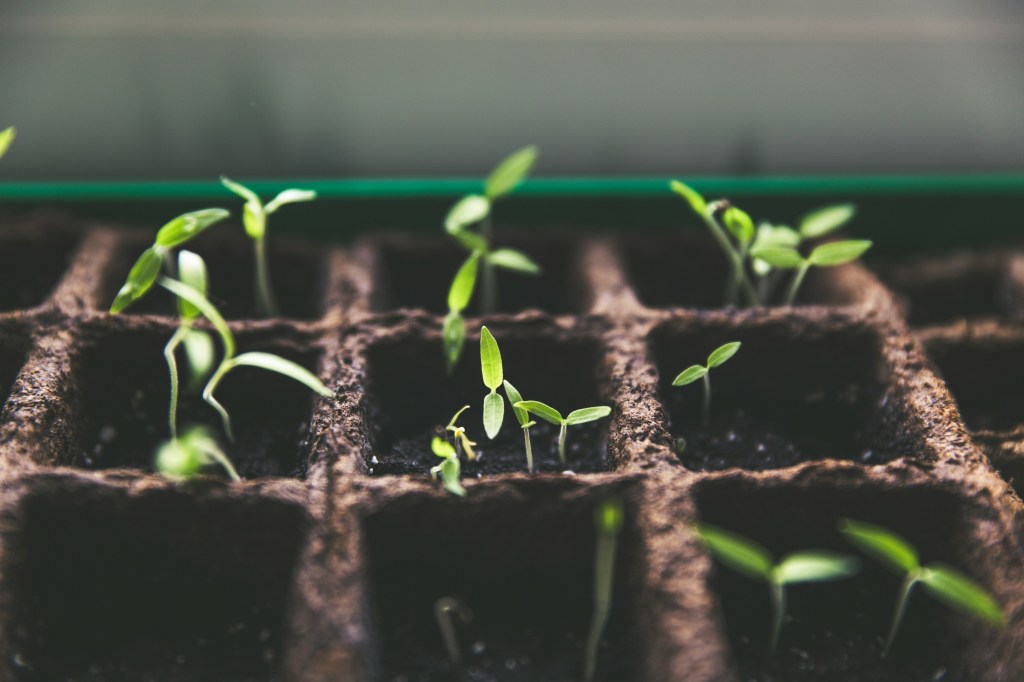
- In cooler climates or areas with shorter growing seasons, start seeds indoors 6-8 weeks before the last expected frost. Transplant seedlings when they are 6-8 inches tall and outdoor conditions are warm.
- Direct Sowing:
- In warm climates with a long growing season, you can sow tomato seeds directly in the garden after the last frost when soil temperatures are consistently above 60°F.
- For accuracy, utilize a soil thermometer to determine the temperature.
- In warm climates with a long growing season, you can sow tomato seeds directly in the garden after the last frost when soil temperatures are consistently above 60°F.
- Starting Indoors:
- Soil Preparation:
- Use well-draining soil rich in organic matter. Using a soil pH meter, aim for a pH between 6.2 and 6.8.
- Spacing:
- Space plants 18-24 inches apart to allow good air circulation.
- Sunlight Needs:
- Tomatoes need at least 6-8 hours of direct sunlight per day for optimal growth and fruit production. More sunlight often results in better yields and sweeter fruit!
Watering Your Tomatoes
How Much water do tomatoes need?
- Tomatoes need about 1-2 inches of water per week. When in question, utilize a soil moisture meter to determine the moisture level.
- When to Water:
- Water deeply in the morning, keeping the soil consistently moist but not soggy.
- Tip: Use mulch to retain moisture and prevent soil from splashing onto leaves, reducing disease risk.
Fertilizing Tomatoes
When to Fertilize.
- At planting:
- Use a balanced fertilizer (e.g., 10-10-10 or compost).
- Once flowers appear:
- Switch to a fertilizer higher in phosphorus and potassium (e.g., 5-10-10) to encourage fruiting.
- Tip: For potassium bury banana peel into the dirt or prepare banana water to use as fertilizer.
- Switch to a fertilizer higher in phosphorus and potassium (e.g., 5-10-10) to encourage fruiting.
- Every 2-3 weeks:
- Apply fertilizer lightly throughout the growing season.
- Avoid Over-Fertilizing: Too much nitrogen will result in lush leaves but fewer tomatoes.
Pruning Tomato Plants
Why Prune?
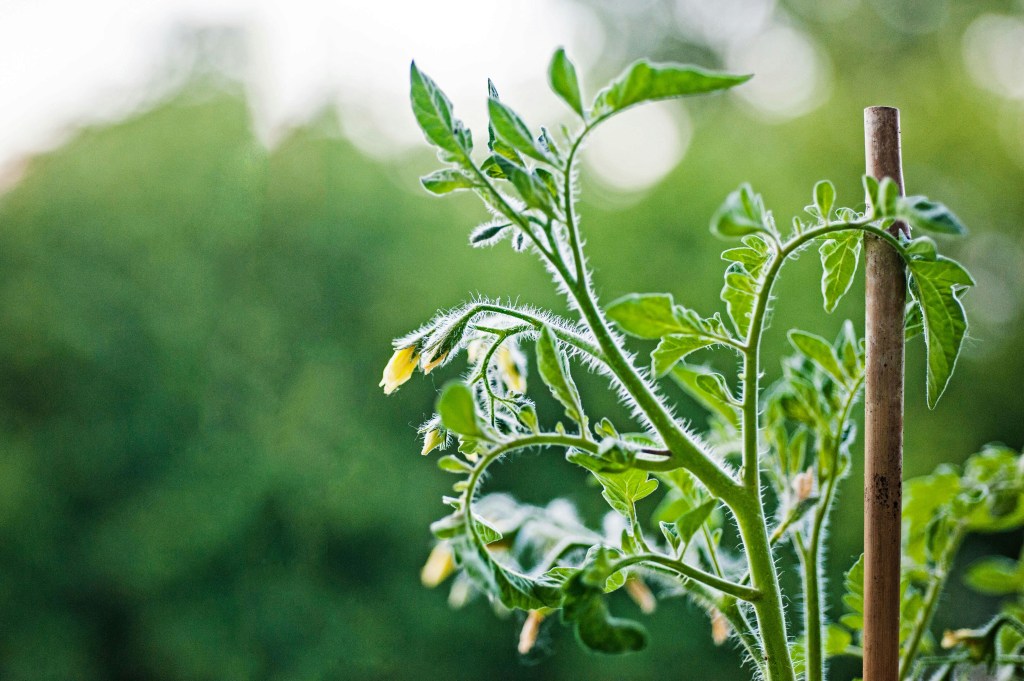
Pruning improves airflow, reduces disease risk, and directs energy toward fruit production.
- How to Prune:
- Remove lower leaves that touch the soil.
- Pinch off small suckers (shoots between the stem and branches) on indeterminate varieties.
- Avoid excessive pruning, which can expose fruits to sunscald.
Supporting Tomato Plants
Why do tomato plants need support?
Tomato plants become heavy as they grow, and proper support prevents branches from breaking, keeps fruit off the ground, and improves airflow.
- Types of Support:
- Stakes: Drive a 6-8 foot stake into the ground next to each plant and tie the main stem loosely to the stake with soft ties or twine. Plant tape really well for this and is very gentle on plants.
- Cages: Use sturdy tomato cages to provide all-around support, ideal for determinate and indeterminate varieties.
- Trellises: String trellises or Florida weave systems work well for row planting, keeping vines upright.
- How to Train:
- As the plant grows, secure it gently to the support structure to encourage upward growth.
Harvesting Tomatoes
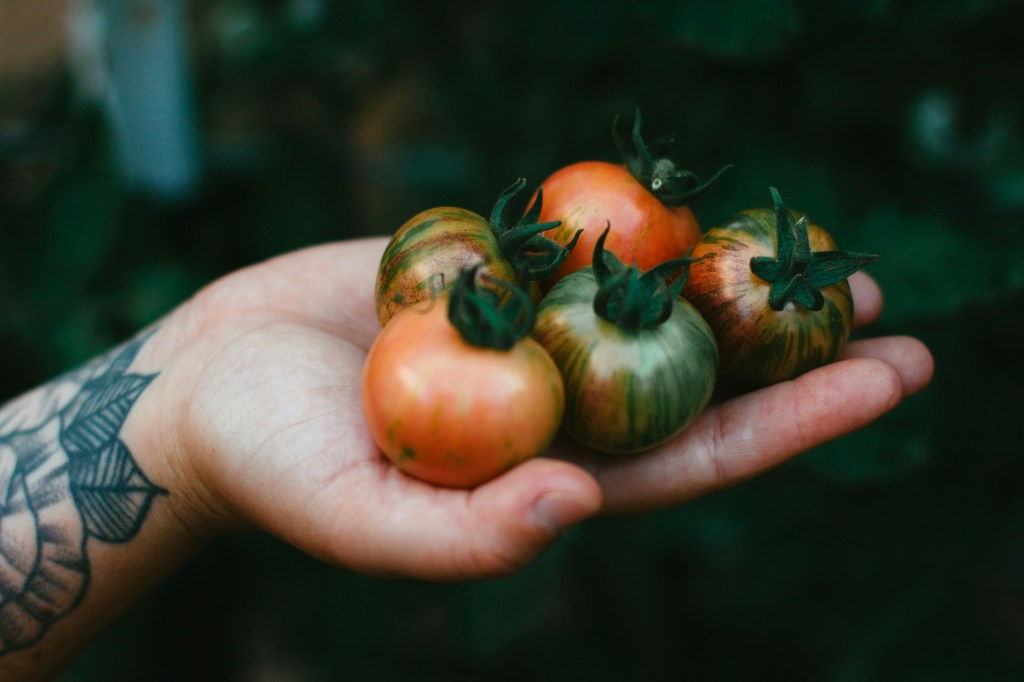
We are often asked when its time to harvest….
Tomatoes are ready when they are fully colored and slightly firm.
For vine-ripened flavor, let them fully ripen on the plant.
If frost is approaching, harvest green tomatoes and let them ripen indoors.
- How to Harvest:
- Gently twist or cut the fruit from the vine to avoid damaging the plant.
Pest Control Tips
- Common Tomato Pests:
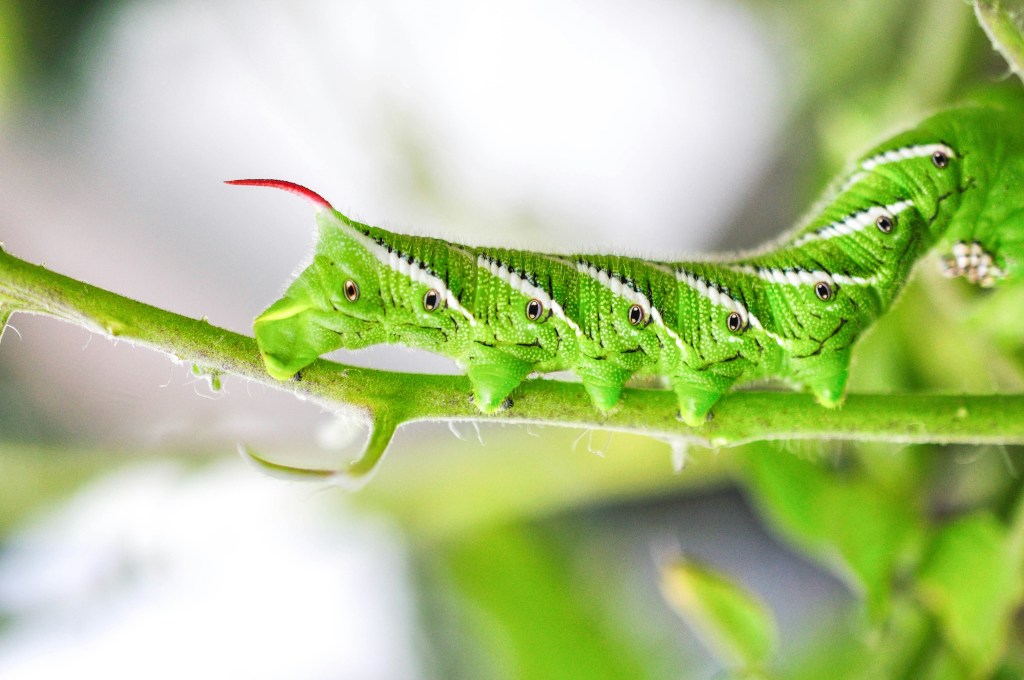
- Watch out for aphids (they are super aggressive and hard to get rid of if infestation gets out of hand), tomato hornworms, whiteflies, and spider mites.
- Natural Pest Control:
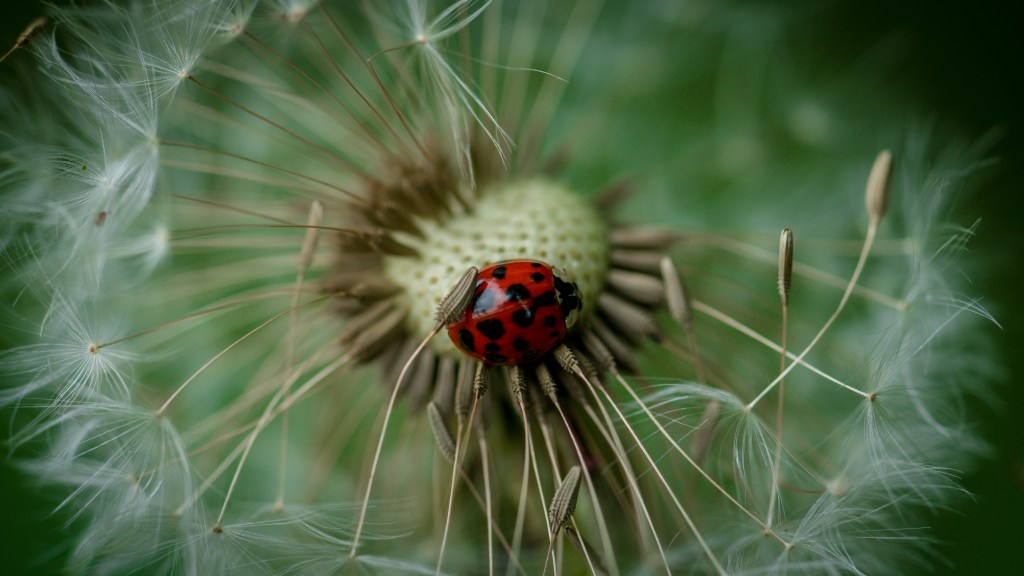
- Introduce beneficial insects like ladybugs and lacewings to control aphids. Live lady bugs can be purchased at your local nursery or online. The lady bugs will feast on the aphids aiding in pest control.
- Hand-pick larger pests like hornworms and drop them into soapy water.
- Use neem oil or insecticidal soap to treat infestations.
- Preventative Measures:
- Rotate crops each year to prevent pest buildup.
- Keep weeds under control to reduce hiding spots for pests.
- Use row covers to protect young plants from insects.
- Avoid over-fertilizing, as excess nitrogen attracts more pests.
Nutritional Benefits & Culinary Uses of Tomatoes
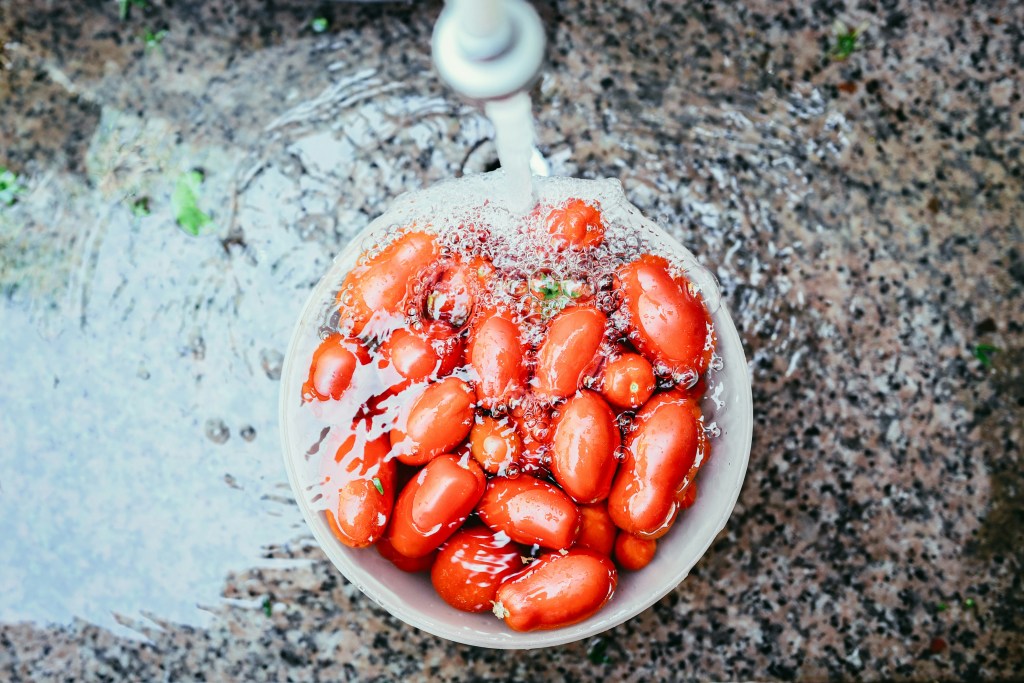
Tomatoes have numerous nutritional benefits:
- Rich in vitamins C, K, and A, which support immunity, vision, and bone health.
- High in antioxidants like lycopene, which helps protect against heart disease and certain cancers.
- Low in calories but high in fiber, aiding digestion and weight management.
- Contains potassium, which helps regulate blood pressure and muscle function.
- Ways to Use Tomatoes in Cooking:
- Fresh: Slice into salads, sandwiches, and wraps.
- Sauces & Soups: Blend into homemade pasta sauces, salsas, and tomato soups.
- Roasted or Grilled: Enhances sweetness and deepens flavor.
- Sun-Dried: Adds a concentrated burst of flavor to dishes.
- Juices & Smoothies: A refreshing and nutrient-rich option.
- Pickled or Fermented: Extends shelf life while adding probiotics.
With the right care, you’ll be enjoying juicy, homegrown tomatoes all season long!
Happy gardening!

Southernroostgarden.org is a participant in the Amazon Services LLC Associates Program, an affiliate advertising program designed to provide a means for sites to earn advertising fees by advertising and linking to Amazon.com. When you click on and/or make a purchase through a link to an Amazon affiliate link placed on our website, we may receive a small commission at no additional cost to you. All funds are applied to the operations of our gardens.


 Southern Roots