
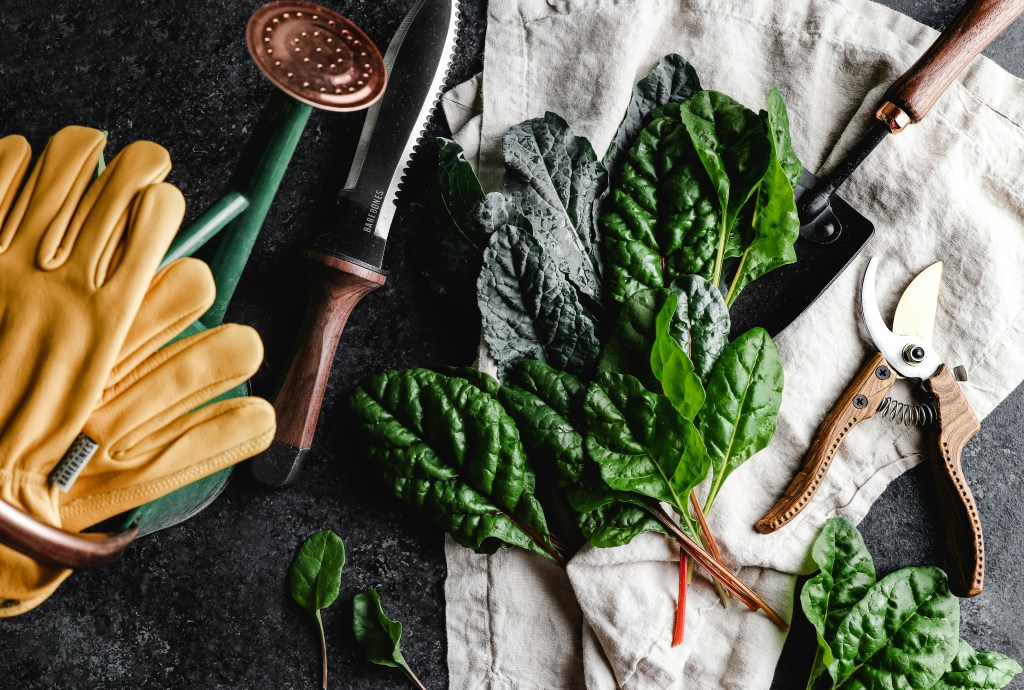
So, you want to start a veggie garden?
Awesome!
Growing your own food is not only rewarding, but it also tastes way better than anything you can buy at the store. If you’re new to gardening, don’t stress!
Here are some simple, no-fuss tips to help you get started and keep your garden thriving.
1. Start Small & Keep It Simple
It’s tempting to plant every veggie under the sun, but trust me, start small.
Pick a few easy-to-grow vegetables like tomatoes, lettuce, peppers, or radishes. You can always expand as you gain confidence!
2. Find the Perfect Spot
Most veggies love the sun—at least 6-8 hours a day. Find a spot in your yard that gets plenty of sunlight and has good drainage.
How do you determine if your yard has good drainage?
Try this simple test:
- Dig a Hole – About 12 inches deep and wide.
- Fill It with Water – Let it drain completely.
- Refill the Hole – After it drains, fill it again and time how long it takes to drain.
- If the water drains within 1-4 hours, your soil has good drainage.
- If it drains too fast (under an hour), the soil may be too sandy and need organic matter.
- If it takes more than 4-6 hours, your soil may be compacted or have too much clay, requiring amendments like compost or raised beds for better drainage.
No yard?
No problem!
Many veggies grow great in containers on a sunny balcony or patio.
3. Know Your Soil
Your plants need good soil to thrive. Mix in compost or organic matter to give them the nutrients they need.
Not sure about your soil quality?
Grab a test kit like this one to check pH and nutrient levels.
For a successful vegetable garden, aim for these soil pH and nutrient levels:
- pH Level: Most vegetables thrive in slightly acidic to neutral soil, with a pH between 6.0 and 7.0.
- Nutrient Levels:
- Nitrogen (N): Essential for leafy growth. Moderate levels are best; too much can result in lush leaves but fewer fruits.
- Phosphorus (P): Important for root and flower development. Moderate to high levels help with strong root systems.
- Potassium (K): Supports overall plant health and disease resistance. Moderate to high levels are beneficial.
4. Water Wisely
New gardeners either drown their plants or forget to water altogether. The trick is to water deeply but not too often.
Stick your finger in the soil—if the top inch is dry, it’s time to water.
Or you can use a moisture meter.
5. Choose the Right Time to Plant
Every plant has its season.
Check your local planting calendar (or ask a fellow gardener) to make sure you’re planting at the right time for your area.
Reach out to your local extension service office for assistance.
6. Keep the Weeds in Check
Weeds compete with your veggies for nutrients and water, so don’t let them take over.
A layer of mulch around your plants can help keep weeds at bay and retain moisture.
7. Watch for Pests & Problems
Even beginner gardens can attract bugs and diseases. Keep an eye on your plants, and if you spot trouble, try natural remedies first—like spraying soapy water on aphids or picking off caterpillars by hand.
You can even opt for organic pest control options like neem oil, insecticidal soap, Diatomaceous Earth, etc.
For more tips on fighting against pest, check out our blog Protect Your Garden: Top Tips Against Pests.
8. Harvest at the Right Time
Nothing beats the taste of homegrown veggies, but picking them too early or too late can affect flavor and texture.
Do a quick Google search or check seed packets for the best time to harvest each veggie.
9. Have Fun & Be Patient
Gardening is a learning process. Some plants will thrive, some might not—it happens to everyone!
Enjoy the journey, celebrate small wins, and don’t be afraid to try again next season.
Starting a veggie garden doesn’t have to be intimidating. With a little patience and care, you’ll be enjoying fresh, homegrown produce in no time.
Happy gardening!

Southernroostgarden.org is a participant in the Amazon Services LLC Associates Program, an affiliate advertising program designed to provide a means for sites to earn advertising fees by advertising and linking to Amazon.com. When you click on and/or make a purchase through a link to an Amazon affiliate link placed on our website, we may receive a small commission at no additional cost to you. All funds are applied to the operations of our gardens.




 Southern Roots