
The Fascinating Journey of Hummingbird Migration in the U.S
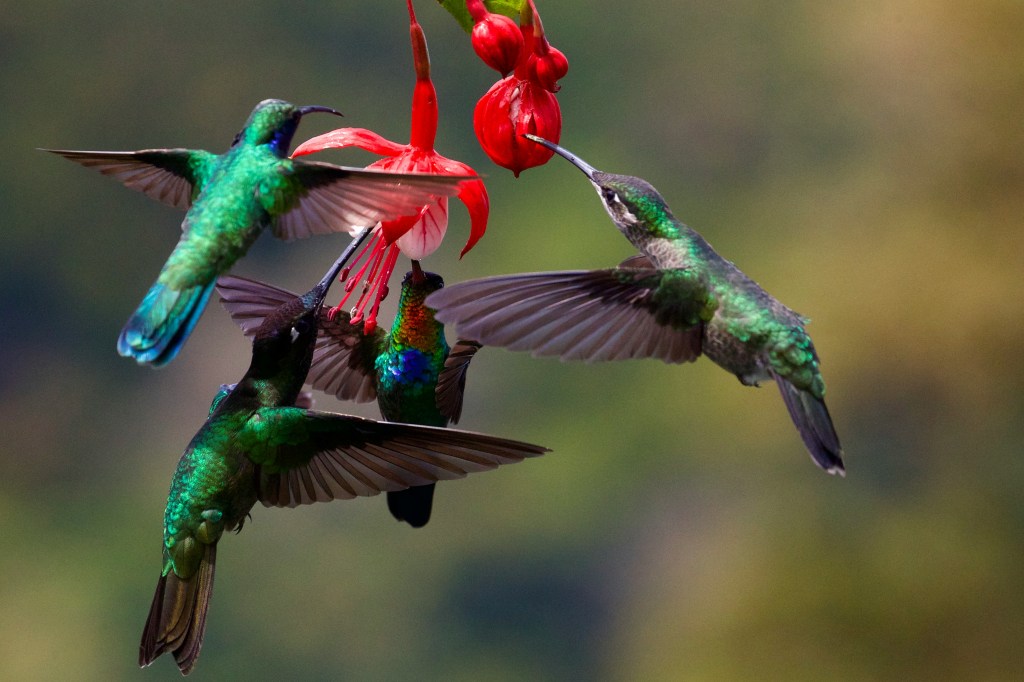
As spring blooms and the days stretch longer, something magical is happening in the skies above.
Hummingbirds, those tiny, iridescent marvels of nature, are preparing to embark on one of the most remarkable migratory journeys in the animal kingdom.
Every year, millions of hummingbirds travel thousands of miles across North America, leaving behind the cool northern climates to seek warmth and food in the south, only to return months later to breed and thrive in the spring.
But why do these little birds migrate, and when can we expect to see them?
The Timing of Hummingbird Migration
Hummingbirds in the U.S. typically migrate twice a year—once in the spring and again in the fall—depending on the species and location. The timing of migration is influenced by several factors, most notably changes in temperature, food availability, and daylight hours.
Spring Migration: Heading North for the Summer
Every year, hummingbirds begin their journey north as early as late March to early April, typically just as the last traces of winter begin to fade.
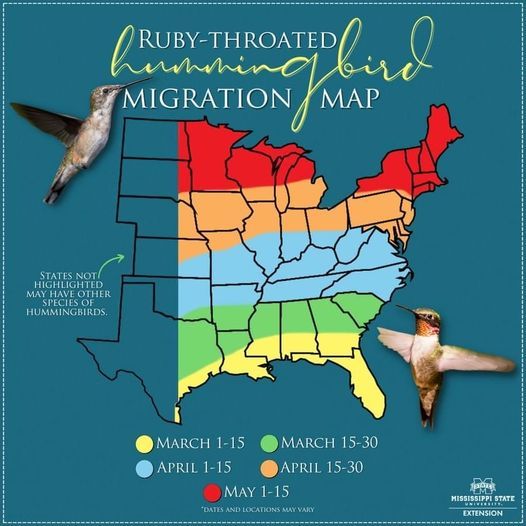
The migration is spurred by the increased availability of nectar-rich flowers, a key food source for these tiny birds, and the longer daylight hours that signal the start of the breeding season. The timing can vary slightly, depending on the species and environmental conditions.
One of the most commonly seen migratory hummingbirds in the U.S. is the Ruby-throated Hummingbird, which travels from its wintering grounds in Central America to the eastern half of the United States, often crossing the Gulf of Mexico in a single, non-stop flight.
Fall Migration: Heading South for the Winter
As summer fades and the days shorten, hummingbirds prepare for their long journey south. August through October marks the time when many hummingbirds start migrating back to their southern wintering grounds.
By early October, most of them have already made the trip.
Unlike their spring migration, which is primarily driven by breeding needs, the fall migration is largely about survival. With fewer flowers and declining temperatures in the north, hummingbirds head south to the warmer climates of Central America and Mexico, where food is plentiful, and temperatures are mild.
Why Do Hummingbirds Migrate?
While hummingbirds’ bright colors and energetic flights are a marvel to behold, their migration is driven by some very practical needs.
- Food Availability: Hummingbirds need an incredibly high-calorie diet to sustain their fast metabolism. In colder climates, where flowers stop blooming and insects are scarce, these tiny birds would struggle to find enough food to survive. By migrating south to warmer regions, they ensure access to an abundance of nectar and insects.
- Temperature: Hummingbirds are highly sensitive to temperature. As the weather turns colder in the northern U.S., they face difficulty staying warm. Migration helps them find climates where the weather is more favorable, allowing them to conserve energy and stay healthy.
- Breeding: In the spring, as the days grow longer, hummingbirds return to the U.S. to breed. The warm weather and abundant flowers provide the perfect environment for raising their young. These birds rely on the nectar from flowers to fuel both themselves and their chicks during the nesting period.
- Photoperiod: Hummingbirds are also guided by the changing length of daylight, known as photoperiod. As the days grow shorter in the fall and longer in the spring, their internal biological clocks are triggered to begin migration.
How to Help Hummingbirds During Migration
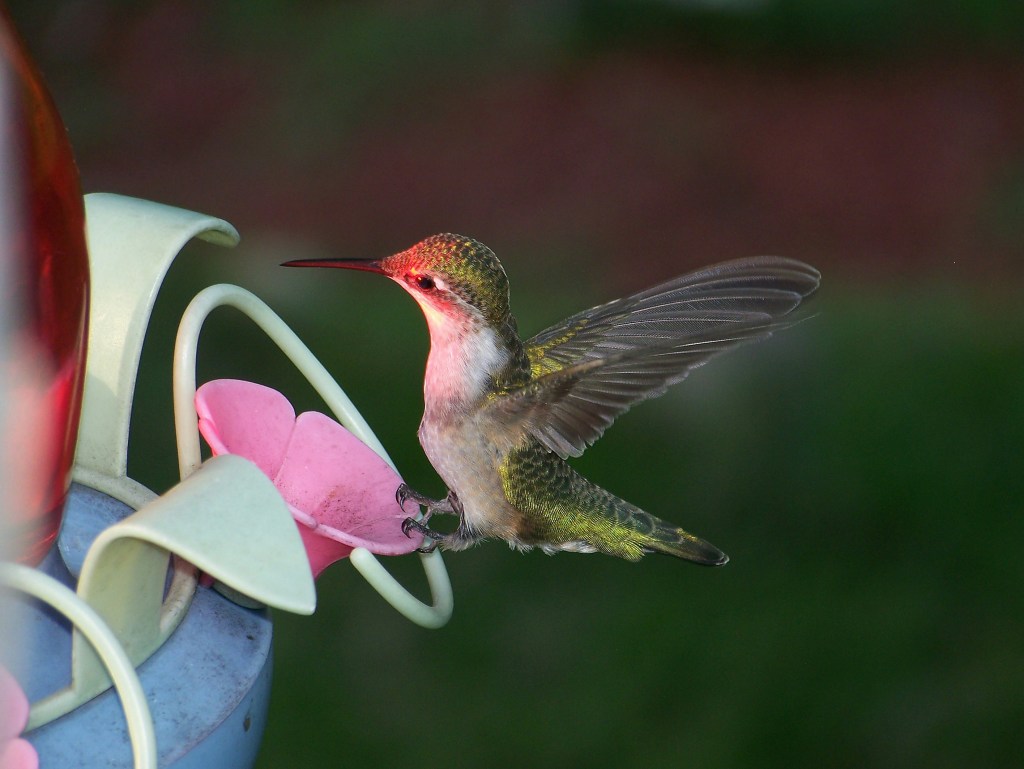
If you’re lucky enough to have hummingbirds visit your garden during migration, there are several ways you can support them on their journey:
- Provide Food:
- Plant Native Nectar-Rich Flowers: Hummingbirds love brightly colored flowers, especially red, orange, and pink. Some great options include:
- Offer Hummingbird Feeders:
- Fill feeders with a homemade nectar solution—4 parts water to 1-part white granulated sugar (boil the water to dissolve the sugar, then cool). Avoid using artificial sweeteners or red dye. Make sure to clean feeders regularly to prevent mold and keep the nectar fresh.
- If you don’t have time or want to make a nectar solution, this affordable hummingbird nectar is a great solution.
- Fill feeders with a homemade nectar solution—4 parts water to 1-part white granulated sugar (boil the water to dissolve the sugar, then cool). Avoid using artificial sweeteners or red dye. Make sure to clean feeders regularly to prevent mold and keep the nectar fresh.
- Add Water Features: Hummingbirds like to bathe and drink from moving water. A small birdbath with a gentle fountain or misting device will attract them.
- Plant Nectar-Rich Flowers: Consider planting native flowers that attract hummingbirds, such as trumpet vine, bee balm, and salvia. These plants provide a natural food source for migrating birds.
- Offer Shelter: Provide trees and shrubs that offer shelter from the wind and predators. Hummingbirds need places to rest and recuperate during their journey.
- Provide Perching Spots: Hummingbirds need places to rest and scout for food. Consider adding thin, small branches, or tall plants with sturdy stems.
- Avoid Pesticides: Using chemicals in your garden can harm both hummingbirds and the insects they rely on for food. Opt for organic gardening methods to keep your garden safe for pollinators.
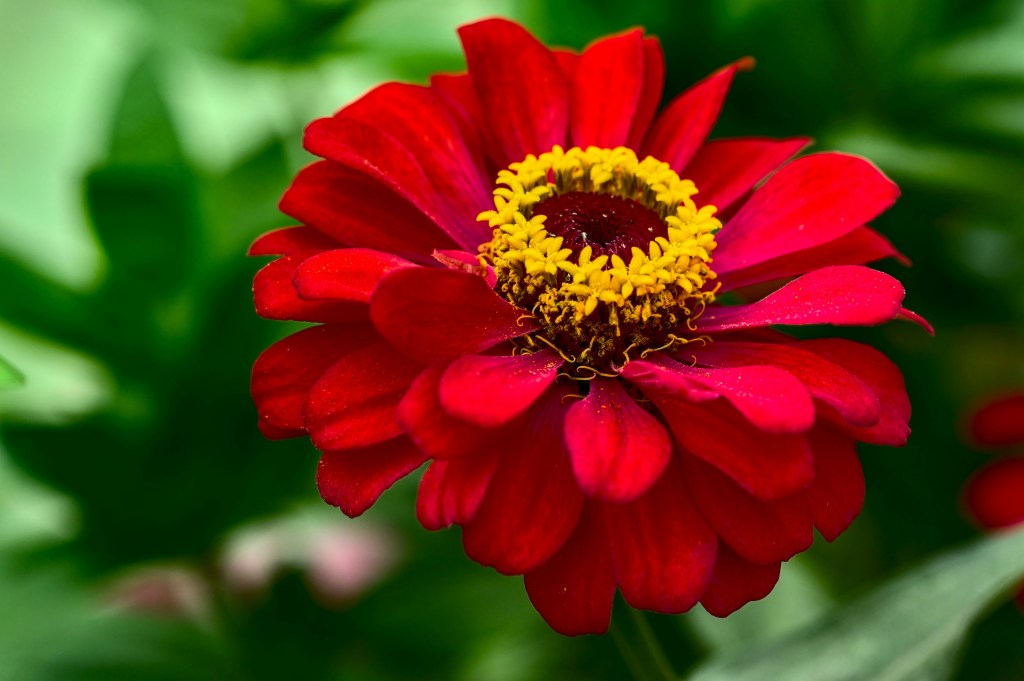
By offering a combination of food, shelter, and nesting materials, you’ll make your garden a welcoming spot for hummingbirds.
The migration of hummingbirds is an awe-inspiring natural phenomenon that showcases the resilience and adaptability of these tiny birds. As they travel between their breeding grounds in the north and their wintering spots in the south, they rely on the changing seasons, available food, and their incredible flying abilities. By understanding when and why hummingbirds migrate, we can all do our part to support these amazing creatures during their long journeys. Whether by providing food, shelter, or simply enjoying their beauty, we can help ensure that hummingbirds continue to thrive for generations to come.
So, the next time you spot a hummingbird flitting around your garden, take a moment to appreciate its incredible journey—and perhaps consider how you can make your space a little more welcoming for these beautiful travelers.
Happy Gardening!

Southernroostgarden.org is a participant in the Amazon Services LLC Associates Program, an affiliate advertising program designed to provide a means for sites to earn advertising fees by advertising and linking to Amazon.com. When you click on and/or make a purchase through a link to an Amazon affiliate link placed on our website, we may receive a small commission at no additional cost to you. All funds are applied to the operations of our gardens.

 Southern Roots